 11
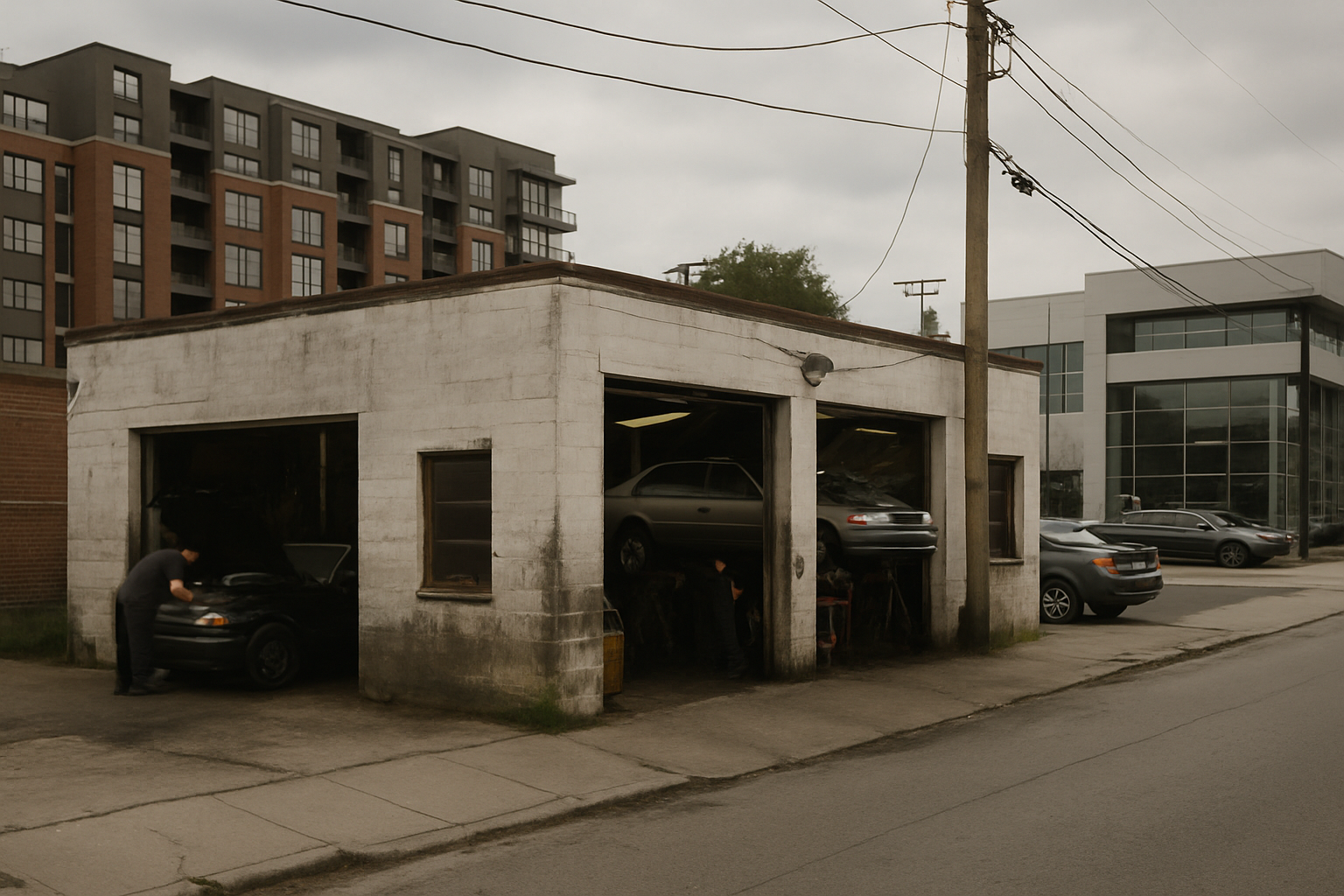
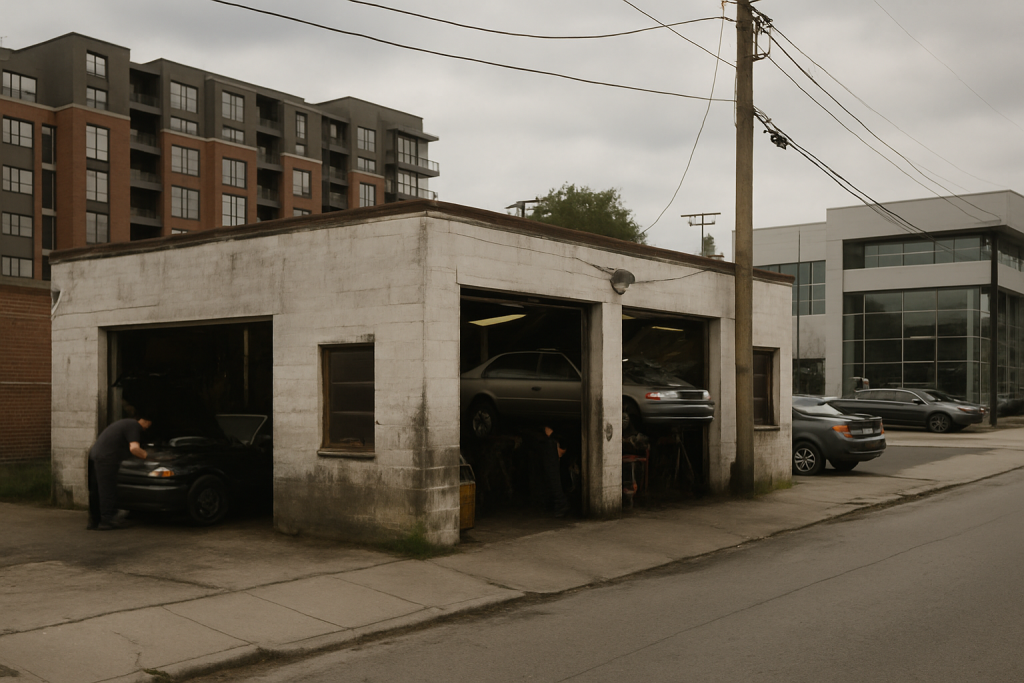
On a Wednesday afternoon, the only full bays on the block are the ones with peeling paint.
Around the corner, a glass-and-steel dealership glows with empty service lanes—shiny floors, digital kiosks, cappuccino machine on standby. But the line of cars waiting outside the squat brick garage across the street tells a quieter story: the neighborhood economy of car repair, and what happens when the last independent shop on the corridor starts getting calls from brokers instead of drivers.
“The cars keep coming,” says one mechanic, “but the numbers don’t.” The numbers, in this case, are rent, insurance, parts, and the going rate for someone who still knows how to listen to an engine.
A mile stretch of arterial road on the city’s east side offers a stark map of how car repair has changed.
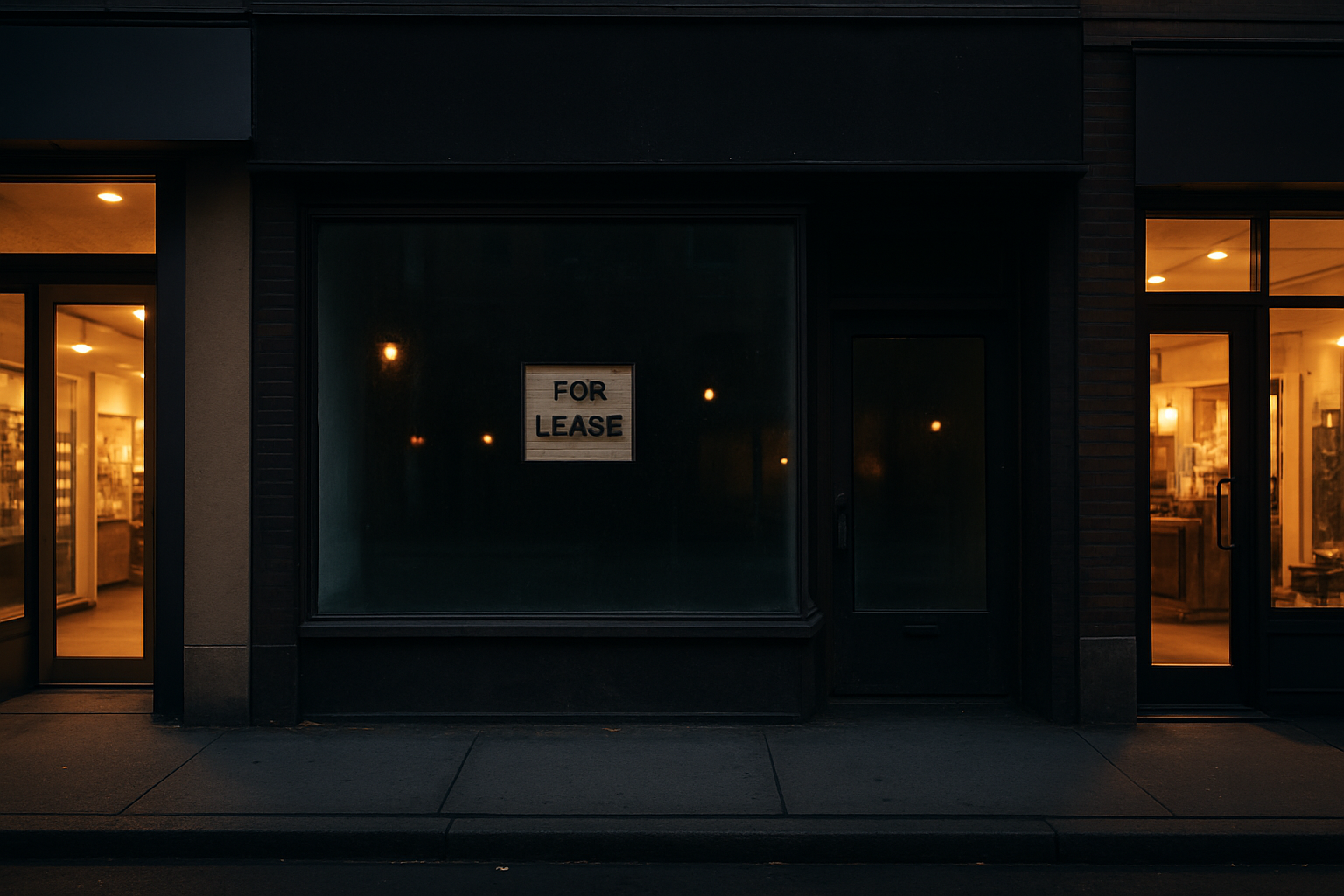
Ten years ago, it was six mom-and-pop garages, one national chain, a used-tire lot, and a muffler shop with a hand-painted sign. Today, only two independent shops remain. The tire lot is now a self-storage facility. The muffler shop is rubble behind a new mid-rise. The chain store and the dealership have doubled their footprint.
The price to stop a car, though? Up and up.
Residents describe a simple pattern. The check-engine light blinks. A dealership quotes four figures and a multi-week wait. The chain store down the road offers something only marginally better—maybe sooner, maybe not cheaper once add-ons stack up. Independent shops, when they can be found, shave hundreds off the bill and days off the delay. But finding a shop still in business, with a human willing to pick up the phone, is the new work.
There is a reason those $600 brake jobs feel standard now. Shops talk about parts that often cost twice what they did a few years ago, liability insurance that jumps annually, rent that reflects the highest and best use of the land—not the handiest and most needed.
When margins thin, labor is where corners can be cut, or prices are where the pain gets passed along.
In many neighborhoods, auto repair shops occupy exactly the kind of lots targeted by developers: wide, shallow buildings, big yards, corner presence, close to transit.
On paper, a low-slung cinderblock garage looks like a “value-add opportunity,” not a safety net for aging sedans. A landlord with a long handshake lease suddenly has a spreadsheet. The spreadsheet asks: Why take a modest rent from a repair shop when a restaurant, chain pharmacy, or apartments can pay triple?
Some shop owners report rent hikes of 40–70% at lease renewal. Others receive non-renewal notices with a polite nod toward “redevelopment plans.” Often the shop has no legal leverage. The equipment cannot be moved overnight. Zoning can make it hard to find another industrially zoned space anywhere near the customer base.
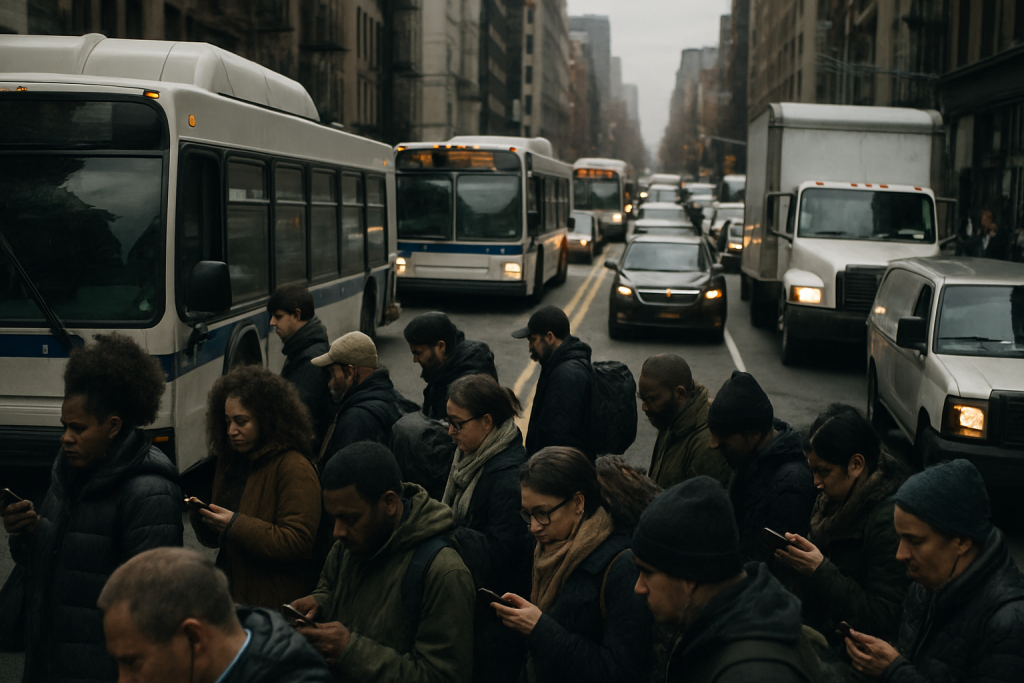
On the consumer end, this plays out as a longer drive. The replacement shop, if it exists, might be across town in a fading industrial belt where land is still cheap. For a driver nursing a 15-year-old Corolla or a delivery worker with a warped rotor, a crosstown trip without a working car can turn a minor repair into a full-day crisis.
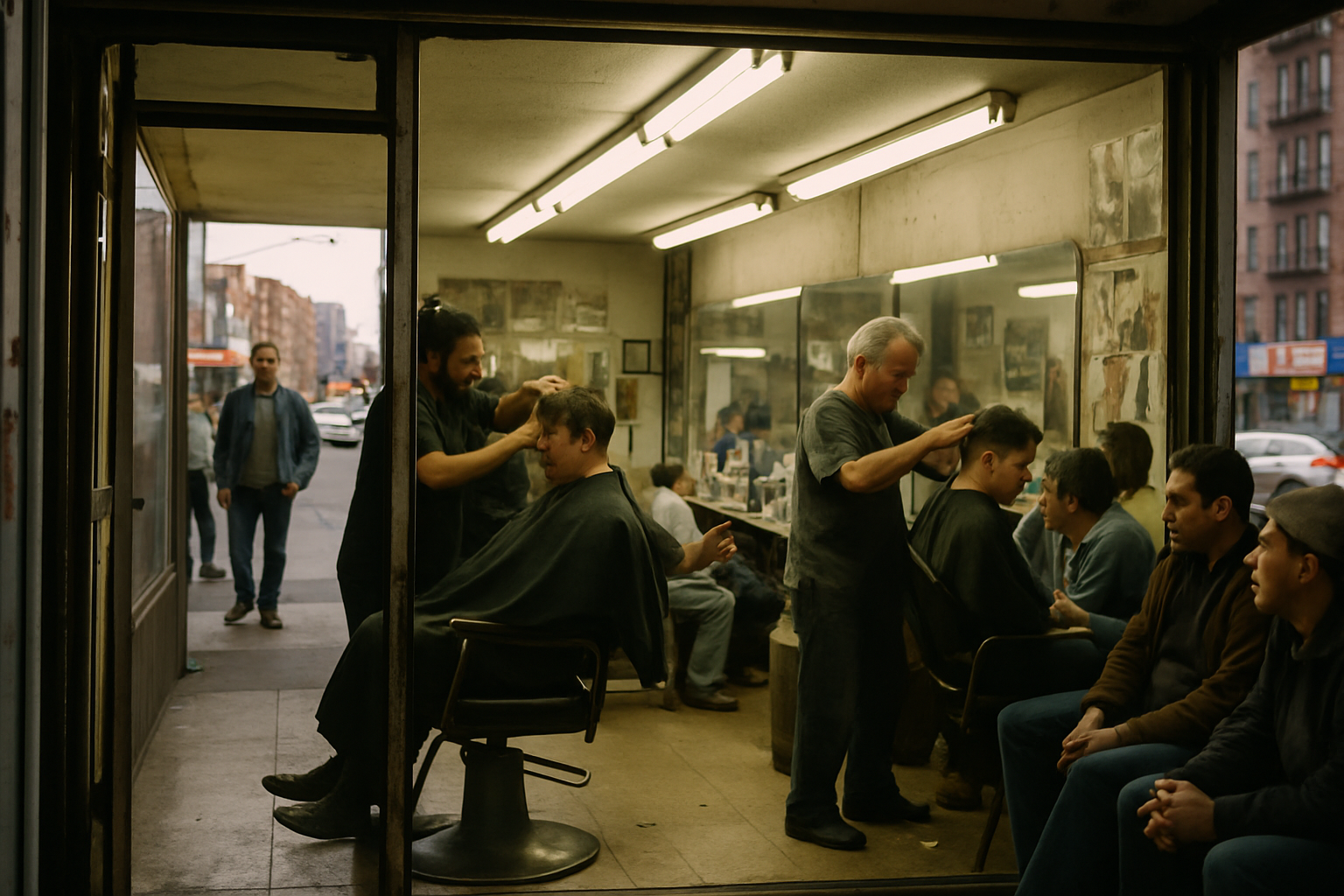
Like the disappearing $20 barbershop, which vanished block by block until a routine trim suddenly cost twice as much, the loss of small garages shows up not as a single shock but as a dull new normal. For further reading on how this pattern lands on everyday budgets, consider the earlier piece on the disappearing $20 barbershop.
Another quiet player in the neighborhood repair drama: the insurance company.
In many crash and fender-bender cases, drivers do not pick their repair shop directly. The adjuster does. Or at least, the adjuster strongly nudges the choice through “preferred networks.” Those networks often skew toward large body shops and chains that can negotiate bulk rates and meet corporate data-tracking requirements.
To a policyholder, the process seems frictionless: file a claim, get a list of options. To the small shop, it can feel like shadow zoning. A business might sit on a busy street, surrounded by damaged bumpers and scuffed doors, yet see fewer insurance-paid jobs each year. Shops report more calls starting with, “My insurance said I should go somewhere else, but I’d rather come here—can I?”
The answer is usually yes. But being outside the preferred network often means more paperwork, slower reimbursements, and pressure to match rates negotiated for facilities with economies of scale that a three-bay garage cannot replicate.
Insurance also influences parts. Cheaper aftermarket components can help keep premiums down but may not last as long or fit as well. When a small shop pushes for OEM (original equipment manufacturer) parts because they fit better or fail less, it can end up eating the cost difference or risking a bad review for a job the insurer priced as budget work.
The tug-of-war between cost, quality, and speed does not show up in glossy ads. It shows up when a car returns to the shop two months later with a dashboard lit up again.
Even when a shop manages the rent and the insurance paperwork, another constraint looms: finding people who can actually fix modern cars.
An entry-level mechanic’s job used to be mostly mechanical. Today it is half computer science, half detective work. A hybrid battery failure reads differently than a misfiring coil; a camera glitch in a driver-assistance system can turn a simple bumper job into a calibration puzzle.
Training programs exist, but they cost money and time. The national chains and dealerships can afford to send staff to brand-specific courses and pay a premium for specialists in electric drivetrains or complex onboard electronics. Small neighborhood shops often train on the job, learning model by model as cars roll in.
That learning curve has limits. A shop with two ASE-certified techs and an aging scan tool cannot quickly become a diagnostics lab for late-model luxury crossovers. The result: some higher-end work gets referred out, and independent garages increasingly specialize in the decade-old vehicles that make up the working fleet—rideshare cars, contractor vans, family sedans that still have bank notes attached but no warranty.
In many neighborhoods, that aging fleet is most of the landscape. It is also where a $400 difference in repair cost decides whether a driver keeps a job.
Ask around any rideshare waiting lot, and stories spill out quickly.
A full-time driver in one borough recalls losing two weeks of income when a dealership ordered backlogged parts and declined to release the car partially repaired. An independent shop later said it could have sourced a compatible part locally and done the job in two days—but by then the rental car charges and missed wages had stacked beyond the cost of the repair.
Time is an invisible line item on every estimate. Larger service centers often operate on booked-out schedules that push non-warranty repair weeks ahead, especially during weather swings when breakdowns spike. Smaller shops can sometimes squeeze in urgent work, and they may—quietly—prioritize regulars who tip, bring snacks, or simply show up with patience.
For lower-income drivers, delay might mean bargaining a few more days of clanking brakes or flickering headlights, risking tickets or accidents. It can also mean turning to informal networks: the neighbor who “does brakes,” the cousin with a friend who works at a shop after hours.
This shadow market can keep cars on the road, but often without the protections or documentation formal shops provide. If the fix fails, there is no service desk to lean on.
Electric vehicles are arriving any way the market is sliced. New mandates, tax credits, and fleet conversions all point toward a steadily rising share of plug-in cars and trucks, even if the curve is uneven.
Where they will be fixed is an open neighborhood question.
EV drivetrains have fewer moving parts and may require less routine service—no oil changes, fewer belts—but what they do need is specialized: battery diagnostics, high-voltage safety, software updates. Independent shops that want to survive the shift face expensive tooling, training, and electrical safety upgrades. For many already on the financial edge, that investment looks risky.
If EV repair clusters inside manufacturer service centers or a small handful of certified facilities, whole swaths of the city could become “service deserts” for electric cars, much as they already are for affordable gasoline repairs. The drivers left behind in that scenario will likely be the ones in older used EVs bought secondhand, outside warranty, with declining range but years of potential usefulness.
Without neighborhood-scale EV repair, the city’s climate plans risk a quiet contradiction: cleaner vehicles that only wealthier drivers can afford to keep running.
No city official signs an ordinance that says “close the local mechanic.” But zoning, tax policy, enforcement, labor rules, and transportation priorities combine into something that can look a lot like intent.
Industrial land that permits auto repair can be upzoned for residential towers. Environmental rules can be enforced unevenly, with small operators bearing paperwork burdens that large players outsource to compliance departments. Streetscape redesigns can narrow curb cuts or restrict driveway access, making it harder to move cars in and out. Meanwhile, job-training dollars might flow toward tech campuses while programs for hands-on trades struggle to stay open.
In some places, communities and policy-makers are starting to ask whether the mechanic is as much a neighborhood anchor as the corner store. Tools to keep them in place exist: zoning overlays that preserve light industrial uses; targeted grants or low-interest loans to modernize equipment; partnerships with vocational schools that turn shops into teaching sites; streamlined paths for small garages to join insurance networks without sacrificing autonomy.
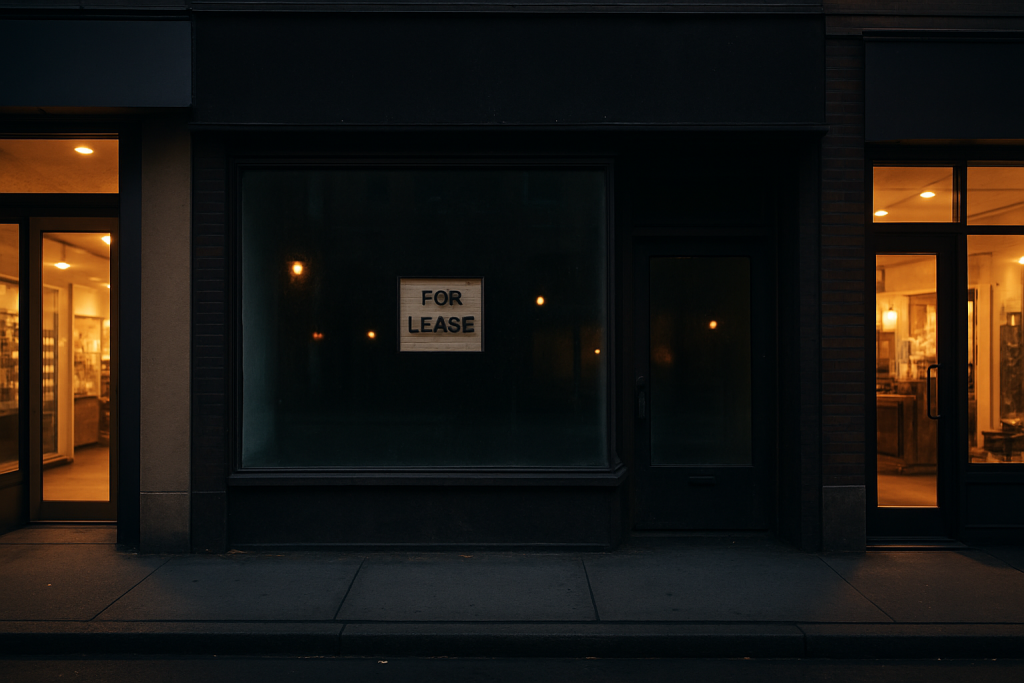
None of these fixes are simple, and not every shop will survive. But the question lingers with every shuttered bay door: when the last independent garage on a block closes, what exactly replaces it—for the people who live and work there, not just for the skyline?
For now, the answer is playing out car by car. A mother stretching her budget to keep an old minivan safe for school drop-offs. A courier calculating whether it is cheaper to fix the transmission or gamble on another used car. A mechanic debating whether to sign another five-year lease or cash out and walk away.
The city’s economy, up close, is in the sound of an impact wrench echoing between brick walls that may or may not stand another decade. Every time that sound disappears from a block, the cost of getting anywhere at all quietly rises.