 11
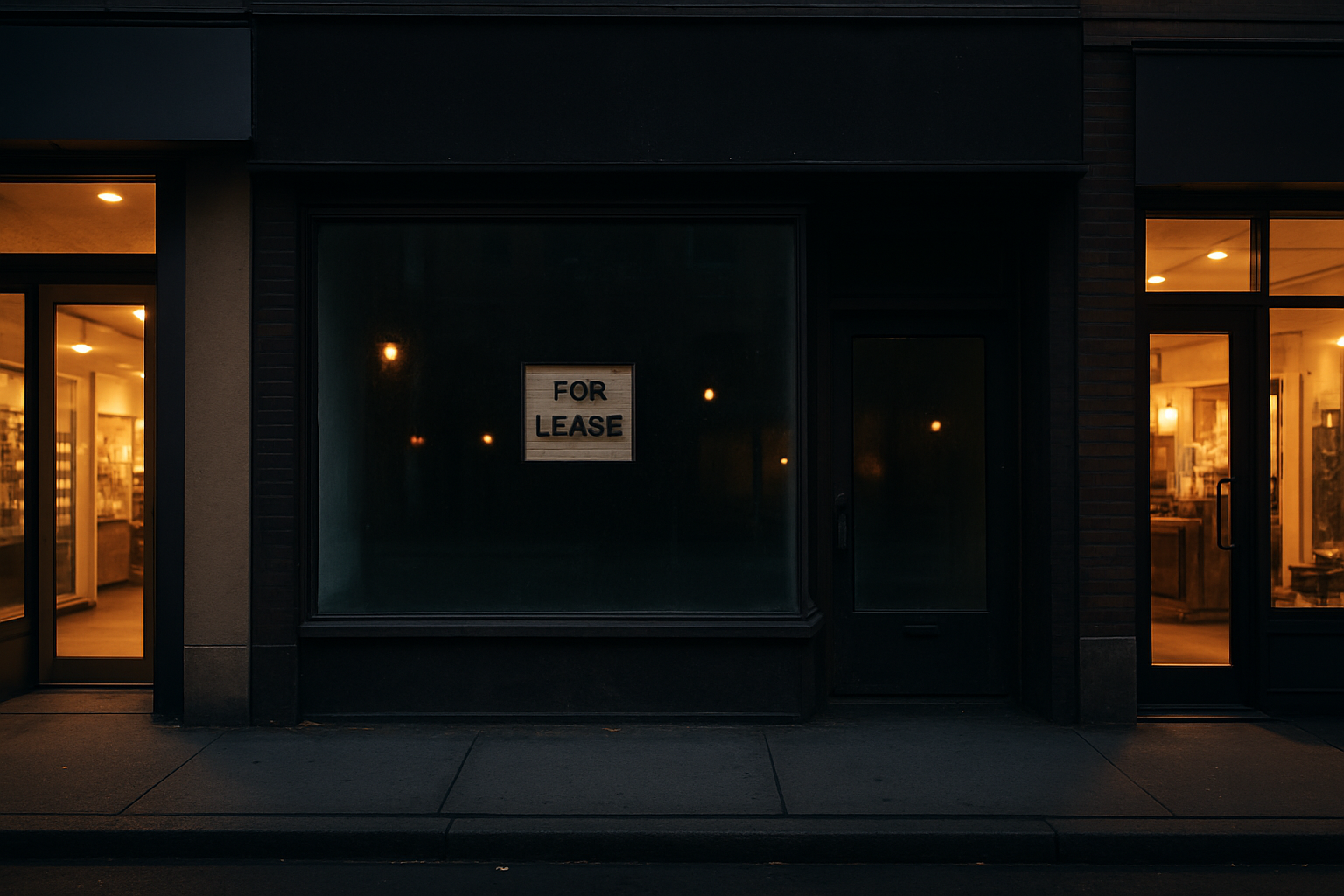
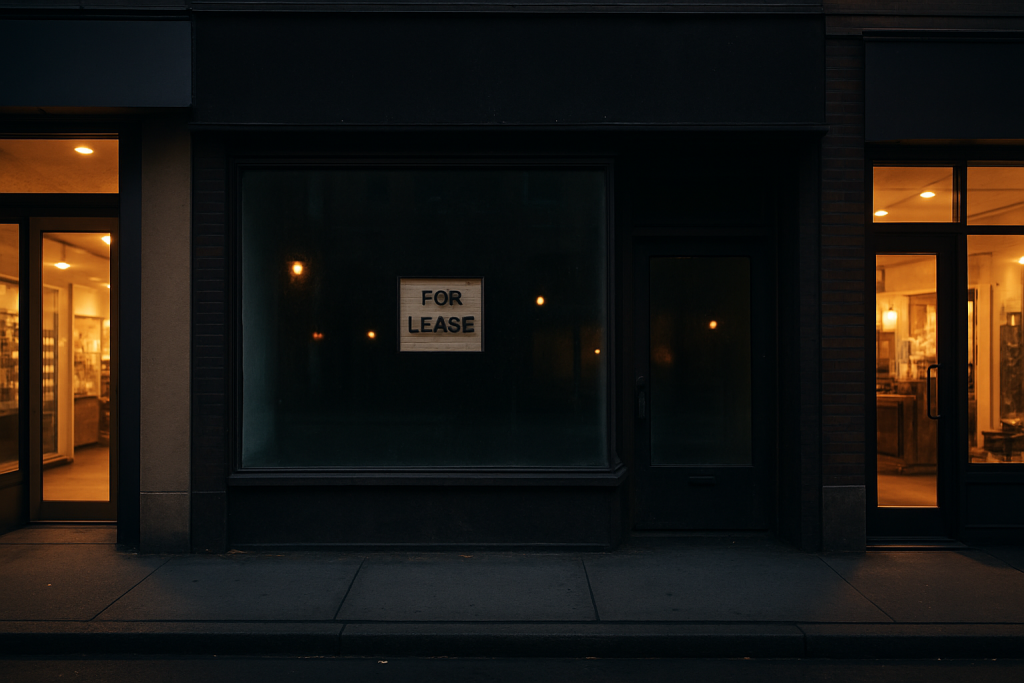
The sign in the window says “For Lease” in letters that have gone slightly yellow at the edges. It has said that for 34 months, by one longtime resident’s count, taped up next to a phone number nobody seems to answer anymore. The space is a decent size, corner location, foot traffic from the subway stop half a block down. By any normal measure of commercial logic, someone should be paying rent on it.
No one is. And the landlord, as far as the block can tell, is in no hurry to change that.
This is one of the more persistent mysteries of city life, the kind of thing that generates its own folklore. Neighbors assume money laundering, or spite, or some owner who inherited the building and doesn’t need the income. Sometimes those stories are even true. But in most cases, the real explanation is duller and more structural: a vacant storefront can, under the right financing and accounting conditions, be worth more to its owner than a filled one. Not forever — but for long enough to matter.
Commercial real estate is valued, broadly, on the income it generates or could generate. A building’s worth on paper — and therefore its usefulness as collateral for refinancing, or its appraised value when an owner wants to sell or borrow against it — often depends less on what a space is actually renting for today than on what it’s assumed it could rent for at full market rate.
That creates a strange incentive. If a landlord signs a long-term lease at a discounted rate just to fill the space, that lower number can get baked into how lenders and appraisers view the whole property going forward. A vacant unit, by contrast, stays a blank slate. It can be marketed, at least on paper, at an aspirational asking rent that supports a higher valuation — even if no tenant is actually paying it, and even if no tenant realistically will.
For an owner who isn’t planning to sell or refinance soon, none of this matters much, and the space usually does get leased at something close to market. But for an owner carrying debt on the building, or planning to cash out, the math can tilt toward patience. A loan covenant tied to projected rent rolls, an upcoming appraisal, a portfolio sale — any of these can make an empty storefront a more convenient fiction than a filled one at a real-world price.
Most ground-floor retail leases in cities are structured as “triple net,” meaning the tenant — once there is one — covers property taxes, insurance, and maintenance on top of rent. That structure protects landlords from a lot of the carrying costs that would otherwise make vacancy painful. Property tax and insurance still have to be paid while the unit sits empty, but they’re often modest relative to the building’s overall value, especially for an owner who holds multiple properties and can absorb one dead unit without much strain.
Meanwhile, insurance policies and lender agreements sometimes specifically address vacancy, and not always in ways that punish it. Some vacant-property insurance is more expensive, yes, but the premium bump can be smaller than the perceived risk of locking in a tenant at a rate that drags down the building’s comps.
Even when a landlord genuinely wants a tenant, there’s a second obstacle that rarely makes it into the folklore: buildout cost. An empty retail shell, especially one that previously housed a restaurant or a business with specialized plumbing or electrical needs, often isn’t “move-in ready” for whatever comes next. Converting it costs real money — new flooring, updated code compliance, HVAC work — and landlords are frequently reluctant to front that investment for a small independent tenant whose lease might not outlast the buildout’s cost.
National chains can sometimes absorb buildout costs themselves, or negotiate landlord contributions as part of a longer, more bankable lease term. A local retailer or a first-time small-business owner usually can’t offer that same certainty, which pushes some landlords to simply wait for a “credit tenant” — a chain, a bank branch, a pharmacy — rather than lease to the kind of independent operator who might actually want the space now, at a price that fits an empty storefront rather than a theoretical one.
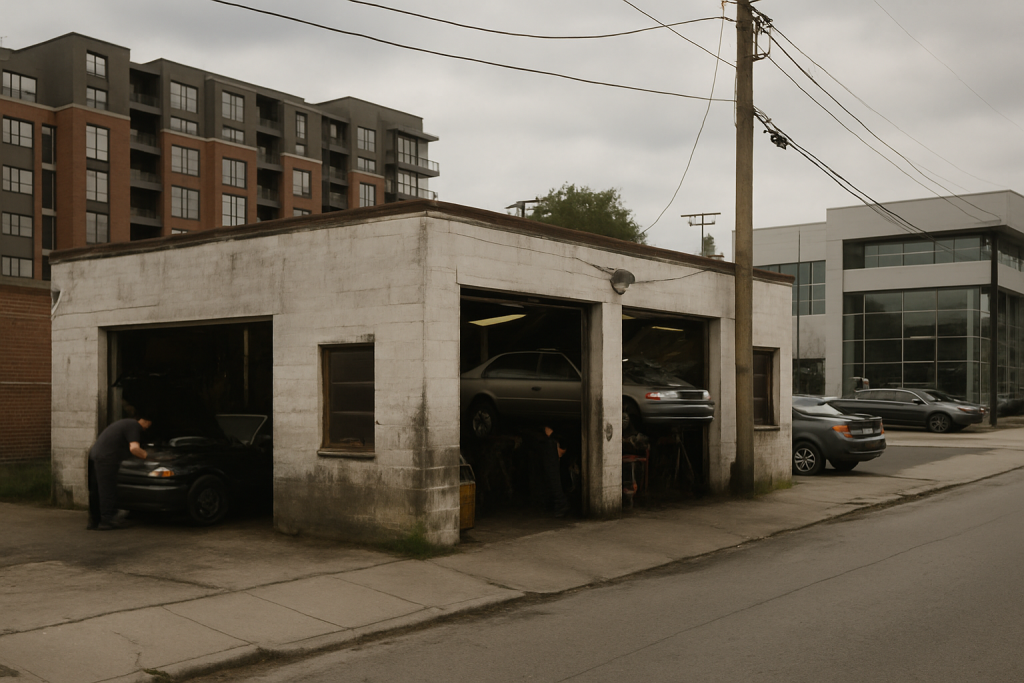
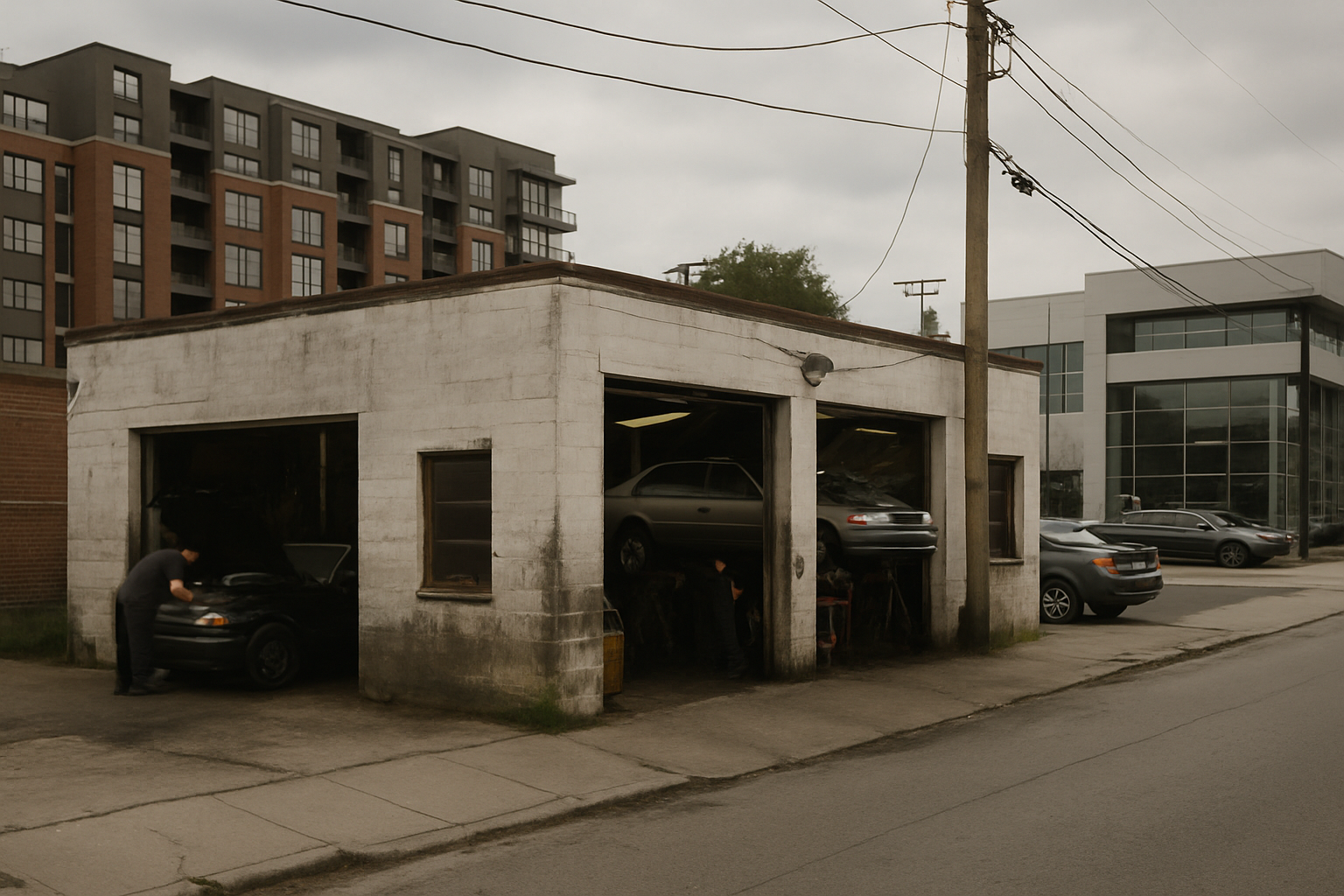
That dynamic echoes something this site examined in the context of a different kind of loss, looking at how a neighborhood’s commercial ecosystem can thin out not through any single dramatic event but through years of small, rational-seeming decisions that each make sense to an owner and add up to something hollow at street level.
A handful of cities have experimented with vacancy taxes or fees aimed squarely at this behavior — a financial nudge meant to make sitting on an empty storefront less comfortable than filling it, even at a modest rent. Results have been mixed and hard to measure cleanly; owners sometimes find workarounds, like short-term “placeholder” leases that technically register the space as occupied without putting a real business inside.
Other approaches lean softer: storefront improvement grants, temporary permitting for pop-ups and art installations, streamlined approval processes meant to lower the buildout barrier for small tenants. These programs tend to help at the margins — they’ve filled some spaces that might otherwise have stayed dark — but they don’t touch the underlying math that makes vacancy rational in the first place for an owner thinking about an eventual sale or refinance.
What gets lost in the spreadsheet logic is what the empty storefront costs everyone else. Foot traffic drops when a stretch of street has dead windows instead of lit ones. Nearby businesses lose the pedestrian momentum that comes from a full block rather than a gap-toothed one. Perception shifts, too — an empty storefront reads as decline even when the building’s finances are, from the owner’s chair, perfectly healthy.
The sign in the window will probably get a fresh coat of tape before it gets a new tenant. Somewhere in a spreadsheet, that’s the plan working as intended.