 11

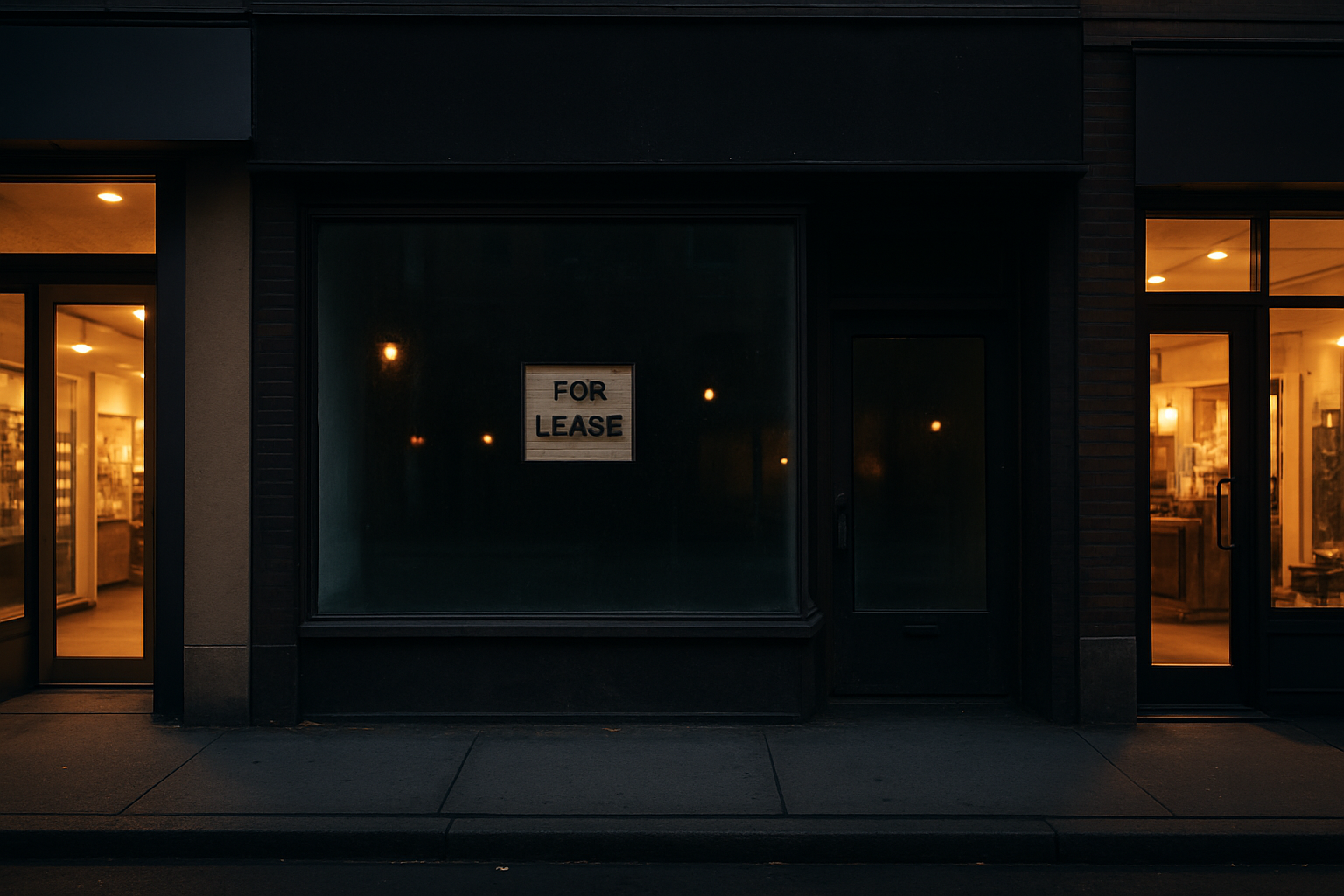
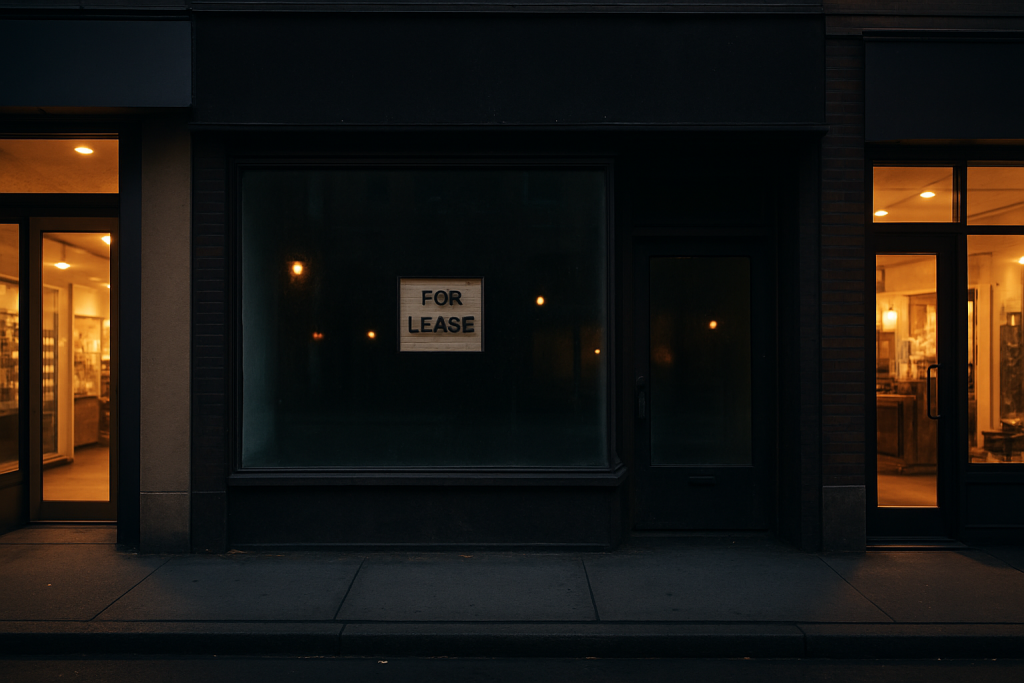
On a gray Tuesday on the south side, the line at the self-checkout wraps around the seasonal aisle at the big-box home center by the highway. The parking lot is full; the bike rack is empty. Three miles away on Maple Avenue, a narrow storefront with a squeaky door and a hand-lettered “Keys Cut” sign is dark for good. The owner called it quits last month.
It is the same story across town. Fewer neighborhood hardware stores. More cavernous, drive-to boxes. And for the city’s economy, the stakes run far beyond where residents buy a box of screws.
A neighborhood hardware store is not glamorous retail. It does not anchor lifestyle developments or host pop-up installations. Yet it quietly holds together a surprising amount of urban life.
There is the obvious: quick fixes. A single plumbing connector, one quart of paint, two picture hooks, snow melt on the first icy morning. The purchases that keep an apartment livable and a small landlord’s weekend project on track. When that store is within a short walk or bus ride, the friction is low and the cost of upkeep on older housing stays manageable.
There is also the less visible: advice as a form of economic value. The clerk who talks a first-time homeowner out of the wrong saw blade, the manager who steers a tenant toward a $5 part instead of a $150 service call. Those five-minute conversations do not show up in economic output reports, but they often keep money in the neighborhood.
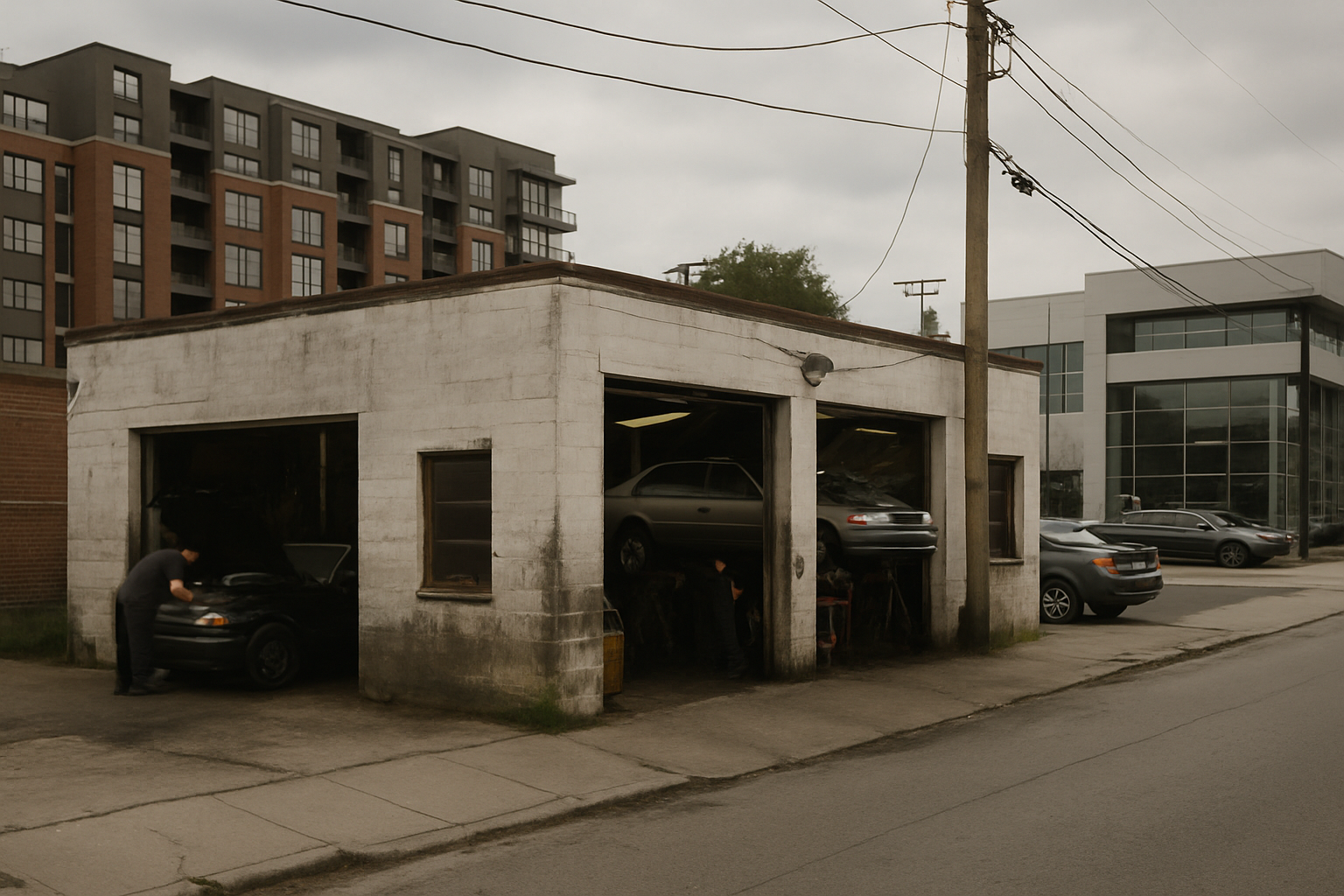
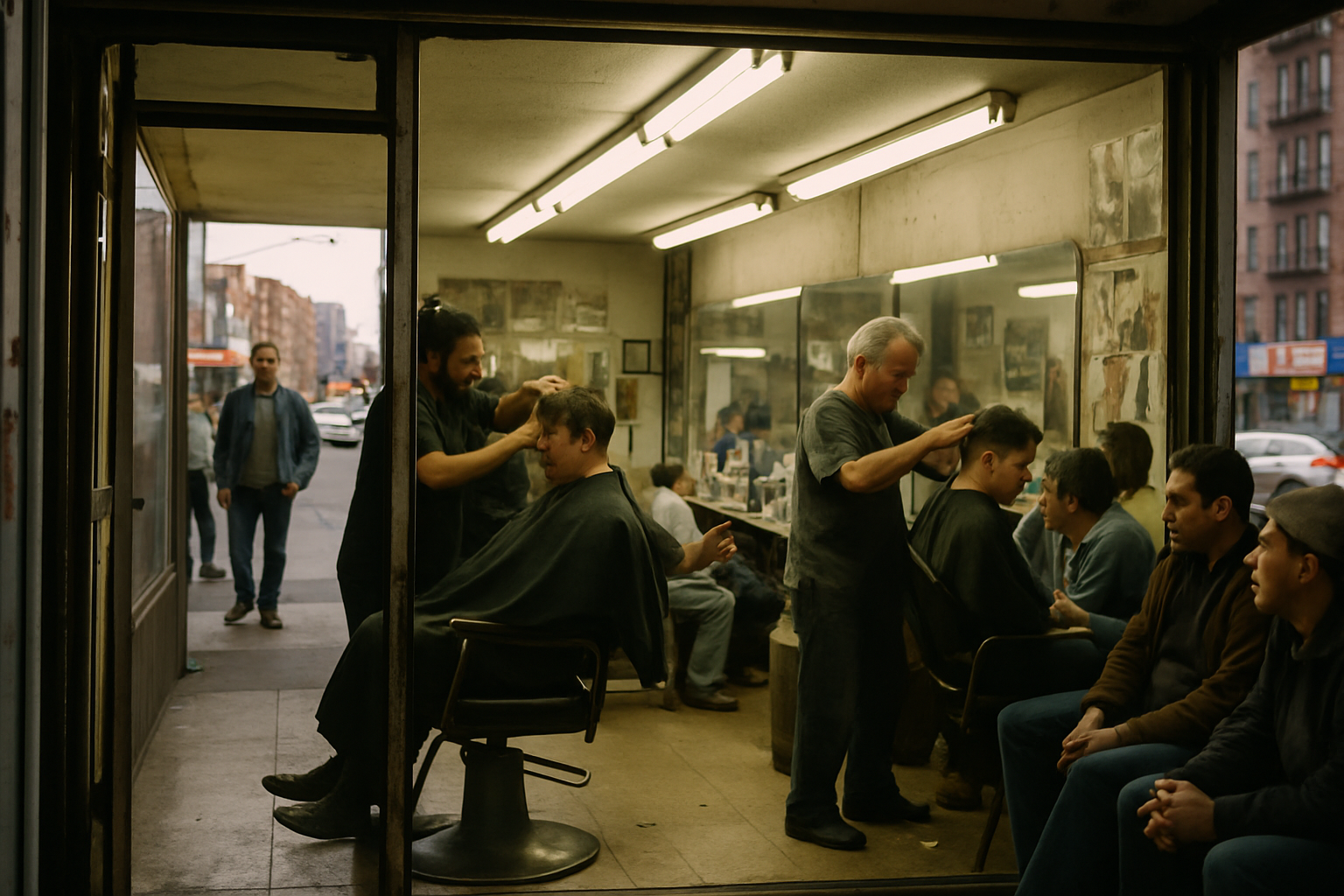
Often, these shops sit on blocks that still have a mechanic, a barber, a small grocer. Customers do circuits: pick up drywall anchors, then a sandwich, then get a tire plugged. Cash circulates block by block, not just in one burst at a regional center.
When the last hardware store on a corridor closes, that entire circuit changes.
The reasons are familiar. Wholesale suppliers favor larger buyers. Commercial rents rise faster than sales. Big boxes advertise loss-leader prices on basics that small stores cannot match without erasing margins. E-commerce adds pressure from the other side: a growing share of residents are ready to wait two days for a specialty tool.
In many cities, the number of independent hardware stores has declined over the past decade while total home improvement spending has grown. That spending did not disappear; it concentrated. Residents drive farther, or they click. For the city’s economic map, that seemingly small shift matters.
Sales tax still flows, but it flows differently. A purchase that might once have happened at a neighborhood counter now happens in a store just outside the city line or through an online retailer with a distant distribution center. The city’s general fund does not care whether a bolt is bought on Maple or at the highway interchange; it cares that the purchase happens inside city limits at all. But city neighborhoods feel the difference.
A corridor with fewer small, service-heavy businesses tends to see more vacant windows, fewer eyes on the street, and less reason for residents to move through on foot. Transit routes that once served clusters of storefronts feel less essential. Over time, those gaps can harden into a sense of disinvestment, whether or not the numbers fully support the feeling.
Running a small hardware store in the city uses local systems in ways that do not translate neatly into price tags.
Delivery trucks are shorter, routes more frequent but smaller. Employees often live within a few miles, sometimes walking to work or taking one bus instead of two. The supply chain footprint—while still very real—has a different shape than the weekly parade of long-haul trucks into regional centers and fulfillment hubs.
On the consumer side, the trip is shorter. A walk to the corner for sandpaper is not the same as a 20-minute drive each way, especially for residents without cars. In many lower-income neighborhoods, access to hardware and repair supplies is not just a convenience issue; it is a quiet housing-quality issue. Delayed minor fix, delayed another, and a building can slide from manageable to costly fast.
Those differences rarely factor into a resident’s split-second decision about where to shop. Price and selection matter first; habits follow. Yet city leaders who talk about “15-minute neighborhoods” or “complete communities” are, in many ways, talking about what happens when that hardware store stays put.
The big boxes bring conveniences that residents plainly value. They hold deep inventory, from garden sheds to rental tools. Their extended hours serve shift workers. They can spread the cost of training programs and safety protocols over many stores, sometimes creating more formal job ladders than a corner shop can manage.
But as more home-improvement spending migrates there, a different pattern emerges at the neighborhood level.
A single large retailer often sits on land assembled with subsidies, tax abatements, or infrastructure improvements that smaller stores can only dream of. The promised jobs materialize—though they may or may not match the wages, autonomy, and flexibility that older union shops and long-running independents once offered.
Meanwhile, the skill built up behind the small counter erodes. The clerk who has spent 25 years reading peeling paint and hearing the tell-tale sound of failing valves is not easily replaced by a seasonal hire on the lighting aisle. Some big-box staff become very knowledgeable, but turnover is often higher, and the advice more generalized.
For small landlords and homeowners in older housing stock, that shift can be expensive. A misdiagnosed problem, a part that almost fits but not quite, a material not rated for a building’s quirks—these add up. Add the extra time and cost of traveling out of the neighborhood for each small part and certain repairs get postponed or skipped entirely.
Those delays do not make the news. They do show up later as water damage, mold, and code violations, especially in buildings where budgets are thin.
Some neighborhood hardware stores function as informal business incubators. Tradespeople pick up supplies, leave business cards, and swap tips on which blocks are booming and which streets are slowing. Part-time handypeople—often retirees, recent immigrants, or workers in between gigs—find side jobs through ordinary conversations at the counter.
In that way, the store acts as a small, analog job board. Not glamorous, not quantified, but persistent.
Once the last hardware store on a corridor shuts, that subtle networking platform compresses. Contractors still find work, but the path narrows toward those with better online presence or the capacity to advertise aggressively. Residents looking for small, budget-friendly help often lose one of the easiest ways to find it.
The city then hears two parallel complaints: from small tradespeople about the difficulty of reaching local clients without paying for constant ads, and from residents about how hard it is to find trustworthy, affordable repair help for simple jobs.
Local government cannot order residents to shop on Maple instead of by the highway. But policy choices either tilt the sidewalk a little toward neighborhood retail or leave it to compete unaided with scale.
Several levers already exist.
Zoning, for one. Many of the older commercial strips that once held hardware stores now face development pressure for residential conversions or single-use office space. Allowing and encouraging ground-floor retail in mixed-use projects keeps potential slots open for small, service-heavy businesses.
Commercial rent stability is trickier. Caps and controls carry tradeoffs, and not every city has the legal authority or appetite for them. Still, targeted tax relief or grant programs for longtime businesses that provide clear neighborhood value—like hardware stores, pharmacies, and groceries—can slow the pace of displacement, especially during periods of rapid rent escalation.
Procurement policy offers another, less obvious path. City agencies that need routine maintenance supplies often default to the lowest bid from large distributors. Some jurisdictions, however, carve out a portion of that spending for qualified local vendors. A few regular municipal accounts can mean the difference between survival and closure for a neighborhood supplier.
Infrastructure design matters as well. Streets with safe crossings, adequate lighting, and a human-scale pace are better suited to small retail. A hardware store on a high-speed arterial without on-street parking, bike lanes, or a nearby bus stop is at a structural disadvantage compared with a destination on a slow, walkable commercial street.
None of these measures guarantee that a hardware store will make it. Changing consumer habits and industry consolidation are powerful forces. Yet without intentional policy, the path of least resistance leads in only one direction: fewer neighborhood counters, more highway exits.
For residents, the central question is practical: where to go when something breaks tonight.
On an individual level, choosing the small store is sometimes less convenient or a bit more expensive. Not everyone can do that every time. Budgets are real; schedules are tight.
But cities are built out of those daily choices. Where the money changes hands, whose expertise is paid for, which block gets the short walk instead of the short drive—all of these decisions add up.
The loss of the last hardware store on a corridor does not feel like a major economic event. There is no ribbon-cutting, no groundbreaking, no dramatic press conference. Just a darkened window, a few remaining fixtures, perhaps an auction notice.
Yet block by block, those closures redraw the map of who can maintain what, at what cost, and with whose help. In a city obsessed—with reason—with new construction and big-ticket projects, the humble hardware counter is easy to overlook.
Until, suddenly, it is gone, and the city’s economy discovers what it had been quietly doing all along.